




Build Your Dream E-commerce Brand Today Without Holding Any Stock.
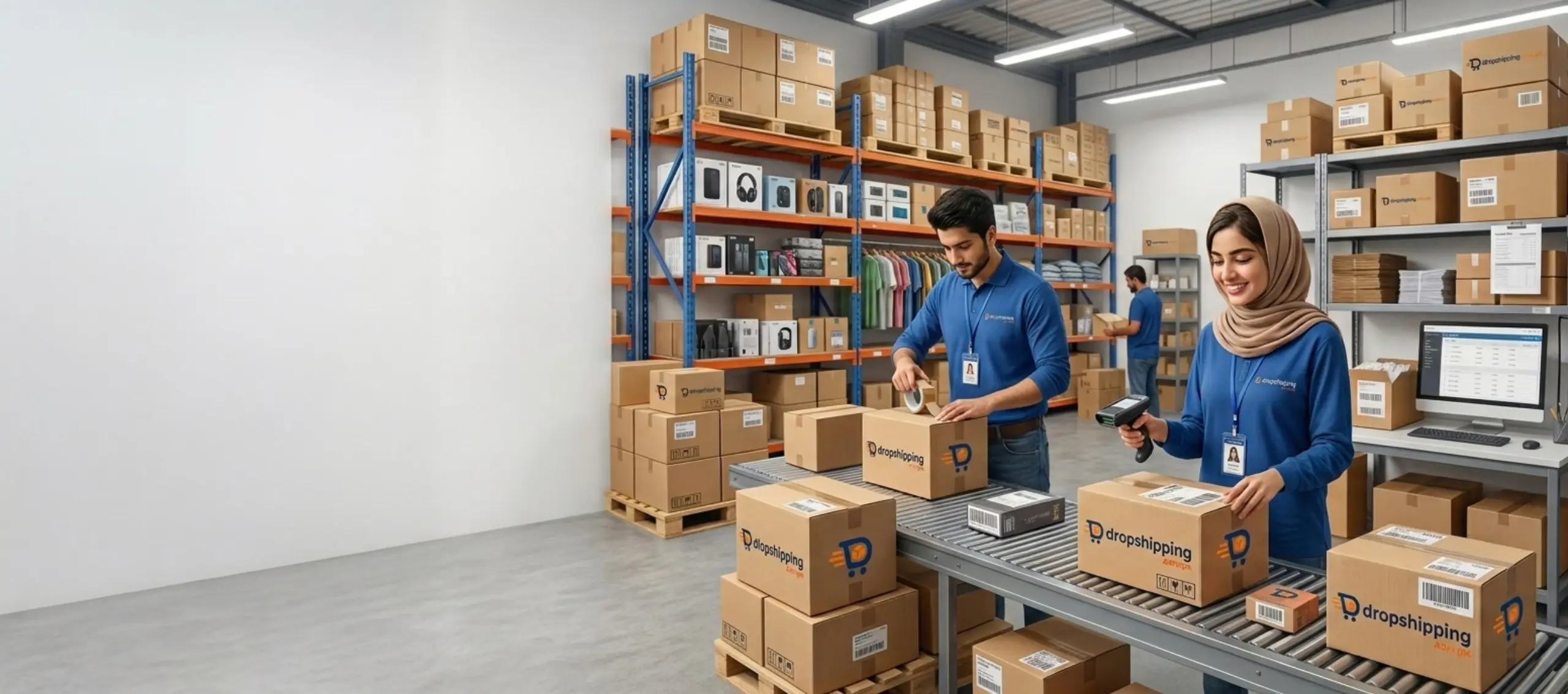
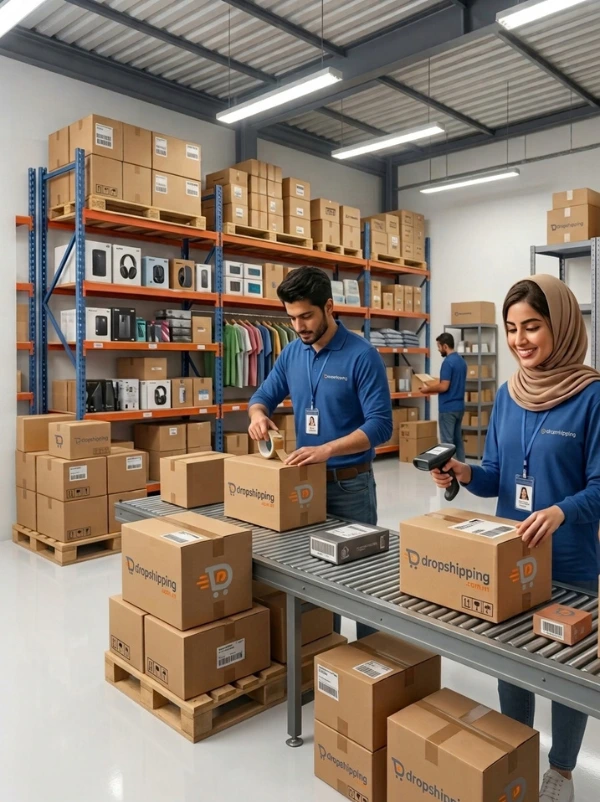
Import winning products, receive Cash on Delivery orders, and let our Karachi warehouse pack and ship for you. Zero inventory, zero risk — you keep the margin.

Shop fresh finds and exciting deals on popular products before they’re gone….

How to start legally, get paid without PayPal, and manage cash-on-delivery returns — with real numbers from Pakistan's e-commerce market.
Pakistan's online shopping boom didn't happen quietly. Tens of thousands of Shopify stores are now live in the country, mobile shopping app usage has crossed 16 million monthly users, and a new generation of sellers in Karachi, Lahore, Islamabad, Faisalabad, Rawalpindi, and Peshawar is building businesses without ever touching inventory. That business model is dropshipping — and in 2026, it's arguably the most accessible way for a Pakistani entrepreneur to start selling online with close to zero upfront capital.
Dropshipping is a retail model where you list products in your own online store, take the order and payment from a customer, then pass that order to a supplier who ships it directly to the buyer. You never buy stock, never rent a warehouse, and never touch the product.
That structure solves three problems that specifically hold back new Pakistani entrepreneurs: high upfront capital requirements, rising storage costs in major cities, and the risk of sitting on unsold inventory. You can list dozens of products, see which ones actually convert, and scale only the winners — without having purchased a single unit upfront.
Yes. There is no law in Pakistan that bans or restricts the dropshipping business model itself. But "legal" doesn't mean unregulated. To run a compliant operation, you need to handle three things:
Market-size figures vary by research provider — 2025 estimates range from roughly $5.8 billion to $10.4 billion depending on methodology — but every source agrees on direction: consistent double-digit annual growth, driven by mobile penetration, improving courier networks, and expanding digital payments.
You have three practical routes: Shopify or WooCommerce paired with global suppliers if you're targeting international buyers; local COD-native apps that handle collection, delivery and payout into JazzCash or Easypaisa without any storefront cost, best for beginners; or marketplace listing on Daraz for built-in local traffic with less control over branding.
Local suppliers ship in 3–5 days and support COD out of the box — better for cash flow and first-time buyer trust. China-sourced suppliers typically take 10–17 days but often unlock cheaper unit costs and wider variety. Many successful stores run both.
Fashion and apparel remain the single largest e-commerce revenue category in Pakistan, with electronics and home goods close behind. Sialkot-made sportswear and leather goods, and Multan-based handicrafts, offer private-label opportunities with better margins than pure resale.
List multiple products, drive cheap traffic through TikTok and Instagram Reels — the two most-cited organic channels for Pakistani dropshippers in 2026 — and track which listings convert to confirmed COD orders, not just clicks.
If there's one thing that separates dropshipping in Pakistan from the US or UK, it's this: COD isn't optional, it's the market. Buyers pay only when the parcel physically arrives, which removes the biggest objection a stranger has to ordering from an unfamiliar store. With roughly a quarter of the population banked, and no local PayPal or Stripe access for sellers, COD is the payment rail most customers actually trust.
If you're shipping to US, UK or European buyers instead of local ones, you'll need a workaround. The realistic options: Payoneer (widely used, though some setups need extra eligibility steps), Wise (multi-currency transfers with transparent fees), or platform-specific payout rails that settle earnings directly into JazzCash or Easypaisa.
A refused or undelivered COD parcel costs you twice — once to ship out, once to return. This is where profit is actually won or lost. Confirm orders by phone or WhatsApp before dispatch, clean up address data, and track your RTO rate by product and by city so you can drop chronic underperformers before they erode your margin.
Yes — there's no law banning it. You do need to register with SECP and get an NTN from FBR once you're operating as a real business rather than testing.
For most of the general market, effectively yes. Around 95% of Pakistani online businesses offer COD because of low bank penetration and trust barriers. Prepaid options are growing but remain secondary for new sellers.
You can start with close to zero using local COD-native platforms that don't require inventory purchase or website costs. Sellers building a branded Shopify store with paid ads typically budget $200–$500 for initial testing.
Use the free profit & loss calculator on this page to model your product cost, courier fees, and RTO rate — and see your real net profit before you commit a rupee to marketing.
Open the calculator
You may check out all the available products and buy some in the shop.
Continue Shopping